

Structure of SWS
The Executive Committee
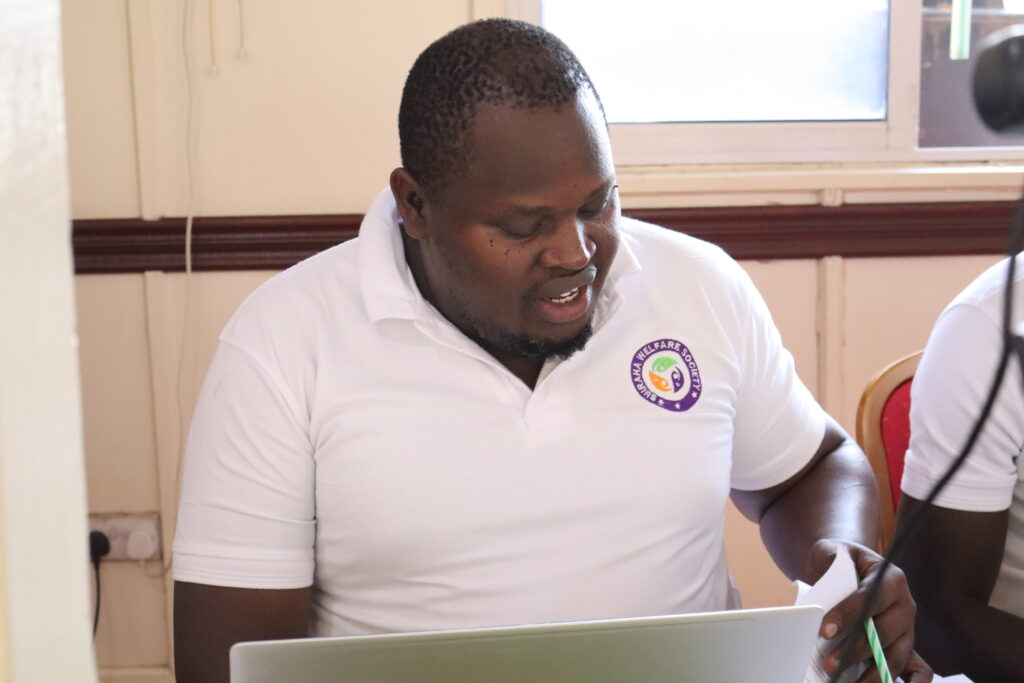
The Executive Committee is the key management team overseeing the daily operations of the Shiraha Welfare Society (SWS). This committee makes crucial decisions and acts in the best interest of SWS, guided by the SWS constitution. Members stay informed by attending meetings, reading agendas and minutes, and asking questions.
Members


Responsibilities:
- Implement SWS Strategy and Objectives: Ensure adherence to SWS Rules and compliance with the Society’s Act of Kenya.
- Serve Members, Volunteers, and Clients: Uphold commitments to everyone using SWS services.
- Employee Obligations: Comply with employment agreements, taxation, and health and safety regulations.
- Legal Compliance: Adhere to all relevant laws and regulations.
- Funding Agreements: Fulfill obligations under funding agreements or contracts.
Financial Management:
- Record Keeping: Maintain compliance with financial record keeping and reporting requirements.
- Expense Management: Ensure timely payment of all SWS expenses.
- Insurance: Secure appropriate insurance cover where required.
- Audits: Have accounts reviewed or audited as needed.
- Risk Management: Implement procedures like requiring payments to be authorized by two unrelated committee members.
- The committee evaluates SWS’s annual plans, programs, and budgets through subcommittees, ensuring plans are discussed, agreed upon, and implemented.
Education Sub-Committee
The Education Sub-Committee of Shiraha Welfare Society (SWS) is dedicated to promoting educational opportunities and equity in Shiraha and Lukohe Sub-Locations, Butere Kakamega County, Kenya. By overseeing and guiding various educational CSR activities, this committee helps SWS achieve its social agenda goals.
Members
Justin Lubanga Aura
Chairman
Ken Otinga
Secretary
Frank Shabanji
Member
Elphas Were
Member
Peter Ambenje
Member
Stanley Atanda
Member
Purpose:
Education is crucial for societal progress. It empowers individuals to contribute significantly to their families and communities, fostering a stable and dynamic society. At Shiraha Welfare Society, we believe that education:
- Strengthens diversity and empowers people.
Prepares society to meet current needs and expectations. - Creates young leaders who can make impactful changes.
- Promotes a secure and peaceful community.
Enhances respect, social status, and family stability.
Main Roles:
We strive to empower our community through education and capacity-building programs. Our initiatives include:
- Education Fund: We establish and mobilize funds annually to support educational programs.
- Workshops and Capacity Building: Facilitating workshops and training for key educational stakeholders.
- Education Days and Co-curricular Activities: Organizing events and awarding prizes to foster educational excellence.
- Bursaries and Scholarships: Providing financial support through the Shiraha Welfare Education Fund (SWS e-Fund).
SWS Welfare Sub-Committee
The SWS Welfare Sub-Committee is dedicated to enhancing the well-being of SWS members through various welfare schemes and programs. By working closely with the Executive Committee, this sub-committee fosters a positive environment, encouraging togetherness, integrity, collaboration, and service.
Members
Jacob Makanga
Chairman
Aggrey Agoi
Secretary
Frank Shabanji
Member
Allan Ocholi
Member
Duncan Amukobole
Member
Purpose:
- Listen and Communicate: Understand members’ needs and provide a platform for interaction between members and the society.
- Encourage Participation: Promote active involvement, open dialogue, and cooperation among members.
- Collaborate: Work with the Committee of Elders to support members in need and celebrate members during special occasions.
Main Roles:
- Review Welfare Policies: Ensure policies are in place to support members’ welfare.
- Promote a Healthy Environment: Foster good relations, unity and welfare among members.
- Ceremonies
- Welfare Days and Home Hosting Sessions
- Last Expense Coverage
- Organize Activities: Plan motivational and leisure activities like celebrations and picnics.
Maintain High Ethical Standards: Respond to members’ needs promptly and ethically.
The Committee of Elders
The Committee of Elders is an open group of society members over 65 years old. They elect a chair from among themselves for any meeting. This ad hoc committee may offer recommendations to the Executive Committee.
Key Objectives:
- Provide general guidance to individual members or SWS as a whole
- Offer mentorship
- Support customary needs in line with traditions
- Oversee SWS activities
- Serve as the highest level of dispute resolution
Main Responsibilities:
- Handle specific matters needing elder guidance upon request
- Preserve order within the society